
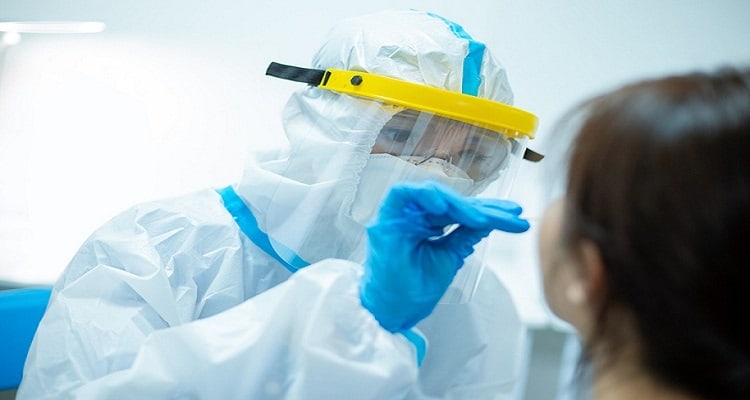

As health systems recover from the COVID-19 pandemic, a new challenge has emerged in preventing chronic illness, in a population still feeling the aftershocks. With delayed care and stretched resources, virtual prevention platforms are stepping in, not to replace in-person care, but to extend it. Joe Kiani, Masimo and Willow Laboratories founder, has championed tools like Nutu™, designed to support daily, sustainable health habits. By helping people make small changes, it eases pressure on the system, and shifts care from crisis response to proactive prevention.
This shift toward proactive, tech-enabled care is more than a temporary fix, but it’s a long-term opportunity. Platforms allow health systems to reach individuals between visits, bridging gaps in care with personalized, real-time support. By meeting people where they are, these tools help create a stronger, more resilient foundation for public health.
The Post-COVID Health Gap
The long-term impacts of COVID-19 are still unfolding. Many patients postponed care, while others developed new conditions related to stress, inactivity or long COVID symptoms. Meanwhile, provider shortages and high demand have made it harder for people to access the care they need, even when they’re ready.
It has created a backlog not just in treatment, but in prevention. Catching up with chronic risk factors like blood sugar, weight or blood pressure now requires tools that can work beyond the walls of a clinic. Virtual prevention platforms are designed for just that. By fitting into people’s phones and daily routines, these tools help stop small issues from growing into bigger ones.
Joe Kiani, Masimo founder, says, “What’s unique about Nutu is that it’s meant to create small changes, that will lead to sustainable, lifelong positive results. I’ve seen so many people start on medication, start on fad diets… and people generally don’t stick with those because it’s not their habits.” That thinking shaped its post-COVID relevance. It’s not about overhauling routines. It’s about adapting them, day by day, based on real-life inputs and stressors.
Supporting Systems Without Overloading Them
One of the biggest advantages of virtual prevention platforms is their ability to extend care, without draining provider capacity. Tools offer real-time behavioral prompts, biometric feedback and progress tracking, without requiring a doctor’s visit.
That doesn’t mean clinicians are excluded. It offers summary data that can be shared with care teams, making follow-up visits more informed and targeted. But much of the daily support is handled digitally, lightening the load for busy clinics. This hybrid model makes prevention scalable. And in a post-COVID world, that scale is essential.
Rebuilding Routines in Disrupted Lives
The pandemic affected health and disrupted daily life. Work schedules changed, activity levels dropped and sleep cycles shifted. Nutu’s adaptive coaching is designed to help users navigate that kind of change, one small step at a time.
If someone is trying to regain pre-pandemic momentum or manage new chronic risk factors, the platform provides personalized guidance based on current behavior, not assumptions. This level of personalization keeps users engaged, even when motivation is low or energy is scattered.
Bridging Gaps in Access
Access remains one of the biggest post-pandemic challenges. Not everyone has a regular provider, and not every community has enough clinics. Virtual prevention platforms help fill those gaps, by offering consistent, high-quality support to anyone with a smartphone.
Nutu’s low-friction interface and passive data collection make it easy to use, even for those who aren’t tech-savvy. It’s designed for a wide range of users, from remote workers to busy parents, to older adults managing new routines. By providing prevention that travels with the user, it supports a more equitable model of care.
Encouraging Consistency Without Pressure
After a period of widespread stress and disruption, many people aren’t looking for a strict health regimen. They’re looking for manageable, realistic support. The app delivers coaching that feels relevant to where someone is on their journey. Hydration reminder after disrupted sleep, a prompt to move after hours of screen time or a calming suggestion during a stressful week. These nudges are informed by passive data and framed in a supportive tone. They help users make better choices, without pressure or judgment.
Tracking Patterns, Not Perfection
Post-pandemic health isn’t about perfect metrics. It’s about patterns. It helps users recognize those patterns, such as what time of day energy drops, how sleep changes with stress and when movement dips during busy weeks.
This insight restores something many people felt they lost during the pandemic: a sense of agency. Instead of guessing what’s off, users can see what’s happening and adjust with the app’s guidance. Over time, that clarity and support help them feel more in control and stay consistent with healthy habits.
Data That Serves Both Patients and Providers
Insightful data can help prioritize care for health systems still catching up. The app compiles daily trends and user-reported challenges into easy-to-read summaries. These reports help clinicians focus on the most urgent risks and tailor advice based on real behavior.
That’s especially valuable in short visits or telehealth sessions, where time is limited. Nutu fills in the gaps, offering a record of life between appointments. It doesn’t replace the provider. It equips them to deliver more targeted care.
A More Resilient Future
The pandemic showed how fragile health systems can be. Virtual prevention platforms offer a path toward resilience, not by trying to do everything, but by supporting what matters most, such as daily behavior, early trends and timely intervention.
Nutu was built for this moment. It’s designed to support people long before symptoms emerge, to recognize stressors as they build, and to guide action in small, realistic steps. That kind of support helps users stay ahead, and it helps health systems focus on those who need in-person care most.
Prevention That Fits the World We Live In
COVID-19 changed the way we live, work and take care of ourselves. It also reshaped what people expect from health tools. Convenience, relevance and flexibility aren’t extras anymore, they are essentials. Nutu reflects that change. It’s more than a digital version of traditional care; it’s a fresh approach to integrating prevention into everyday life. As health systems evolve, platforms like this offer a quiet but powerful solution: prevention that meets people where they are, and supports them consistently, one day at a time.

Comments are closed.