
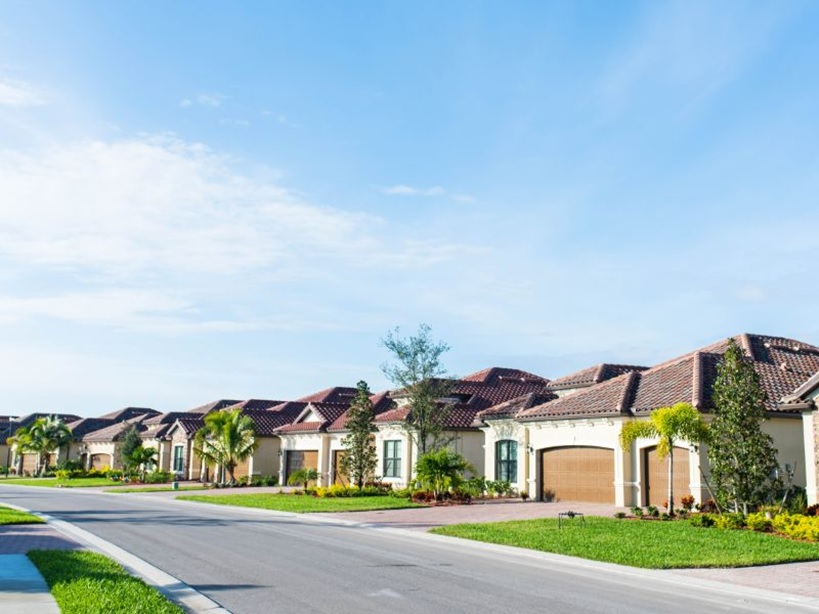

Buying a home is exciting, but it can also feel overwhelming when you start thinking about everything hidden behind the walls, under the floors, and above the ceilings. A house may look beautiful during a showing, yet serious issues can still exist beneath the surface. That is why inspections play such an important role before finalizing a sale.
Many buyers focus on paint colors, kitchen layouts, and curb appeal, but the home’s condition matters far more in the long run. Roofing damage, plumbing leaks, faulty wiring, or foundation movement can lead to expensive repairs if they go unnoticed. A detailed inspection helps you understand what you are truly purchasing before making a major financial commitment.
A full home inspection in Gulf Coast gives buyers and sellers a closer look at the property from roof to foundation. It reviews the major systems, structural components, and visible problem areas that could affect safety, comfort, or future repair costs. Knowing what inspectors examine helps you feel more prepared and confident during the buying process.
Why Home Inspections Matter Before a Sale
A home inspection is more than a simple checklist. It gives you a clearer understanding of the property’s overall condition and helps you avoid unexpected surprises after moving in. Even homes that appear well-maintained can have hidden concerns.
Inspections also create stronger communication between buyers and sellers. If repairs are needed, both sides can discuss solutions before closing. In many cases, inspection findings help buyers negotiate repairs, request credits, or plan future maintenance expenses.
Most importantly, inspections provide peace of mind. Buying a home becomes less stressful when you understand the property’s condition and know which areas may need attention later.
What Inspectors Look at on the Roof
The roof is one of the first areas inspectors examine because it protects the entire home from weather and moisture damage. Roofing problems can quickly spread to other parts of the property if ignored.
Inspectors look for damaged shingles, missing materials, flashing problems, and signs of aging. They also check for areas where water could enter the home. Stains, soft spots, or sagging sections may indicate leaks or structural issues.
Gutters and downspouts are also inspected because drainage problems can damage siding, landscaping, and foundations over time. Proper attic ventilation is another important part of the process. Poor airflow can trap moisture and shorten the life of roofing materials.
Exterior Features That Get Inspected
The outside of the home provides important clues about overall maintenance and structural condition. Inspectors carefully review siding, windows, doors, and other visible exterior components.
Cracks in siding, gaps around windows, or damaged trim may allow moisture to enter the home. Inspectors also check doors and windows to confirm they open and close properly. Sticking doors or uneven frames sometimes indicate shifting foundations or structural movement.
The grading around the home also matters. Water should flow away from the foundation rather than collecting near the structure. Poor drainage can increase the risk of basement leaks, crawl space moisture, and foundation damage over time.
Driveways, walkways, patios, and stairs are also reviewed for cracks, uneven surfaces, and safety hazards.
A Closer Look Inside the Home
Inside the home, inspectors evaluate walls, ceilings, floors, windows, and visible structural features. They look for signs of water damage, uneven surfaces, and cracking that could suggest larger problems.
Stains on ceilings or walls often indicate leaks in plumbing or roofing systems. Uneven floors may indicate settling or support concerns underneath the home. While some small cracks are common in houses, larger or widening cracks may deserve closer attention.
Inspectors also test windows, locks, switches, and doors for proper operation. These smaller details may seem minor, but they help reveal how well the property has been maintained over time.
A full home inspection also includes checking insulation and ventilation in accessible spaces. Proper airflow and insulation help maintain indoor comfort while reducing energy costs.
Plumbing Systems and Water Concerns
Plumbing issues are among the most expensive problems homeowners face, which is why inspectors spend time evaluating visible pipes, fixtures, and drainage systems.
Inspectors check sinks, tubs, toilets, and showers for leaks, water-pressure issues, and drainage problems. Corrosion on pipes may signal aging plumbing systems that could eventually require replacement.
Water heaters are also reviewed for age, condition, and visible safety concerns. Older units may still function properly, but inspectors often note when replacement may be needed in the near future.
Drainage systems matter just as much as water supply lines. Slow drains or moisture around pipes can signal hidden plumbing issues behind walls or beneath floors.
Electrical System Safety Checks
Electrical systems are one of the most important safety areas in any home inspection. Faulty wiring or outdated components increase the risk of electrical fires and power failures.
Inspectors examine breaker panels, visible wiring, outlets, and switches throughout the property. They look for overloaded circuits, damaged wiring, and improper installations that may create hazards.
Ground-fault circuit interrupter outlets, often called GFCI outlets, are installed in kitchens, bathrooms, garages, and outdoor spaces. These outlets help reduce the risk of electrical shock near water sources.
An inspection cannot see every wire hidden inside walls, but it can identify visible warning signs that deserve further evaluation from a licensed electrician.
Heating and Cooling System Evaluations
Heating and cooling systems affect both comfort and energy efficiency. During the inspection, HVAC systems are tested to confirm they respond properly and appear functional.
Inspectors evaluate furnaces, air conditioning units, vents, filters, and airflow throughout the home. Dirty filters, weak airflow, or unusual noises may indicate maintenance issues or aging equipment.
Ventilation also plays an important role in indoor air quality. Moisture buildup, poor airflow, and excessive humidity can increase the risk of mold growth and indoor comfort issues.
Regular maintenance helps HVAC systems last longer and perform more efficiently. Inspection findings often help buyers understand what future maintenance may be needed after purchase.
Foundation and Structural Components
The foundation supports the entire structure, so inspectors carefully examine visible signs of movement or damage. While some settling is normal in many homes, larger structural concerns require attention.
Inspectors look for cracks in foundations, uneven floors, sticking doors, and gaps around windows or walls. These signs sometimes indicate shifting or settling beneath the structure.
Crawl spaces and support systems are also reviewed when accessible. Moisture problems underneath a home can weaken wooden supports and create long-term structural concerns.
A full home inspection helps buyers understand whether foundation concerns are cosmetic or warrant additional evaluation.
Understanding the Final Inspection Report
After the inspection is complete, buyers receive a report summarizing the findings. The report typically includes photos, descriptions, maintenance recommendations, and notes about safety concerns.
It is important to remember that no home is completely perfect. Even newer homes often have small maintenance items listed in the report. The goal is not to create fear but to provide useful information about the property’s condition.
Major concerns such as roofing leaks, structural movement, electrical hazards, or plumbing failures usually deserve immediate attention. Smaller maintenance items may simply help buyers prepare for future upkeep.
Buyers should take time to review the report carefully and ask questions if anything seems unclear. Inspection results help people make informed decisions before moving forward with one of the largest purchases of their lives.
Conclusion
A home may look flawless during a showing, but appearances do not always reveal what is happening behind the scenes. Roofing wear, plumbing leaks, electrical hazards, and foundation issues can all affect a property’s safety and value over time.
A full home inspection gives you a better understanding of the home’s condition from top to bottom. It helps you prepare for repairs, avoid major surprises, and move into your next home with greater confidence.
For additional home maintenance and safety information, visit the U.S. Consumer Product Safety Commission at https://www.cpsc.gov/.
If you want trusted professionals who inspect every major part of a property carefully and thoroughly, contact Gulf Coast Home Inspections today. Their experienced team provides detailed evaluations that help you make smart, confident decisions before buying your next home.

Comments are closed.