
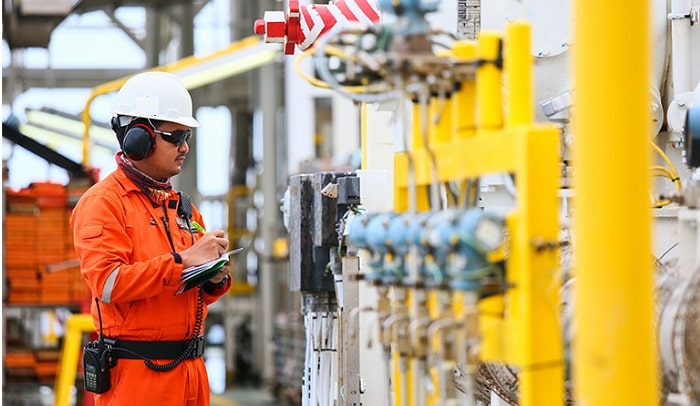

The oil and gas industry relies on complex equipment to keep operations moving at every stage, from extraction to refining. These systems operate under constant stress, and even small failures can lead to significant downtime, safety concerns, or financial loss. Maintenance plays a central role in keeping operations stable, efficient, and predictable.
Built for Harsh Environments
Equipment used in oil and gas production is exposed to some of the toughest conditions in any industry. High heat, pressure, corrosive chemicals, and abrasive materials all contribute to ongoing wear. Over time, these factors can affect performance, reliability, and safety if not addressed through consistent maintenance practices.
Because of this, maintenance and corrosion control is not just about fixing problems as they arise. It is about managing wear over time and ensuring equipment continues to perform as expected in demanding environments.
The Role of Preventive Maintenance
Preventive maintenance is one of the most widely used approaches in the industry. It focuses on routine inspections and scheduled service to address issues before they lead to failure. This includes tasks like replacing worn components, checking system performance, and maintaining proper lubrication.
While this method helps reduce unexpected breakdowns, it is based on general timelines rather than actual equipment condition. In some cases, this can lead to unnecessary maintenance or missed warning signs that develop between service intervals.
A Shift Toward Predictive Approaches
To improve efficiency, many operators are moving toward predictive maintenance. This approach uses real-time monitoring to track how equipment is performing under actual operating conditions. Sensors collect data on key indicators such as temperature, vibration, and pressure, which can reveal early signs of wear or imbalance.
By analyzing this data, maintenance teams can better predict when a component is likely to fail and plan service accordingly. This helps reduce downtime, avoid unnecessary repairs, and extend the life of critical equipment.
Looking Ahead
As technology continues to advance, maintenance strategies in oil and gas are becoming more data-driven and precise. Tools like automated monitoring systems and advanced analytics are helping teams respond faster and make better decisions about when and how to service equipment.
In an industry where reliability is essential, effective maintenance is more than a support function. It is a key part of keeping operations running safely and efficiently, even in the most challenging conditions.
By integrating smarter tools and investing in technician training, oil and gas companies are better positioned to optimize operations, protect their workforce, and operate sustainably in a complex, ever-evolving landscape.


Comments are closed.