
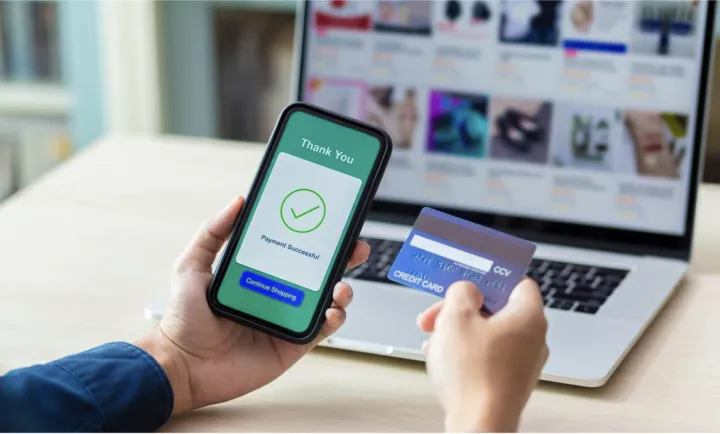

Online shopping has become a normal part of modern life. Customers expect speed, safety, convenience, and flexibility whenever they buy something from a website, app, marketplace, or digital service. For businesses, this means the checkout process can no longer be treated as a small technical feature. It is a major part of the customer experience.
E-commerce payment solutions help online businesses accept payments smoothly, securely, and efficiently. They connect customers, merchants, banks, cards, wallets, and payment networks so that transactions can happen in a few simple steps. Whether a business sells clothing, software, food, subscriptions, digital products, or professional services, the right payment system can directly affect sales, trust, and repeat purchases.
A strong payment setup does more than process money. It reduces checkout friction, protects sensitive data, lowers fraud risk, supports multiple payment methods, and helps businesses serve customers beyond normal working hours. Below are four major benefits of using e-commerce payment solutions and why they matter for growing online businesses.
1. They Make Online Transactions Fast and Simple
One of the biggest advantages of e-commerce payment solutions is ease of use. Customers do not want to fill out long forms, wait through confusing steps, or repeat the same details again and again. A complicated checkout can make even interested buyers leave before completing their purchase.
A reliable payment solution makes the process simple. The customer selects a product, goes to checkout, chooses a payment method, enters the required details, and confirms the order. In many cases, saved cards, digital wallets, one-click checkout options, and auto-filled billing details make the process even quicker.
This simplicity benefits both the buyer and the merchant. The buyer saves time and avoids frustration. The merchant gets a better chance of completing the sale. When payment steps are clear, fast, and mobile-friendly, customers are less likely to abandon their carts.
Why checkout speed matters
Online buyers often make decisions quickly. If a website loads slowly, asks for too much information, or redirects customers through too many pages, the buying mood can disappear. A smooth payment flow keeps the customer focused on completing the purchase.
Fast payment processing also helps businesses handle higher order volumes. During sales campaigns, seasonal demand, product launches, or sudden traffic spikes, a strong payment gateway can help maintain a smooth checkout experience.
2. They Offer Greater Convenience for Customers
Convenience is one of the main reasons people shop online. Customers want to buy when they are ready, not only when a physical store is open. E-commerce payment solutions make this possible by allowing payments at any hour and from almost any location.
An online retail business, for example, using a payment gateway will not be bound by time. Customers can purchase at any hour, any day, depending on their convenience. This works well for people who have a habit of impulse buying. They just have to go to the website, add things to their shopping cart, and check out, all without moving a muscle. This benefits the business as it helps their sales increase. According to a study, impulse purchases take up 40% of all shopping done on the internet. That convenience, however, can be as reliable as the payment process itself. A declined transaction at the checkout, whether due to a card limit, a fraud flag, or a generic bank refusal, can instantly break the frictionless experience that drives impulse purchases. Understanding common failure points, such as the Do Not Honor code (aka response code 05), an expired card rejection, or a cross border block can help merchants choose payment infrastructure that reduces unnecessary declines and recovers sales that would otherwise be lost.
Convenience also means giving customers choices. Some buyers prefer debit cards, while others use credit cards, bank transfers, mobile wallets, or local payment methods. The more relevant payment options a business offers, the easier it becomes for different types of customers to complete their purchases.
Better access for more buyers
A good payment system can support customers across locations, currencies, and devices. This is especially useful for businesses that sell to different regions or want to expand beyond their local market. When customers see familiar payment options, they are more likely to trust the checkout process.
Convenience also supports repeat sales. If a customer has a smooth payment experience once, they are more likely to return. A difficult checkout, on the other hand, can damage trust even if the product itself is good.
3. They Help Reduce Fraud and Protect Customer Data
Security is a major concern in online payments. Customers share sensitive information during checkout, including card details, billing addresses, and personal data. If a business cannot protect that information, it risks losing customer trust and damaging its reputation.
E-commerce payment solutions are designed with security layers that help protect both merchants and customers. These may include encryption, tokenisation, fraud screening, secure authentication, transaction monitoring, and risk scoring. Instead of every business trying to build payment security from scratch, payment gateways provide tools that help manage risk more effectively.
Fraud can take many forms, including stolen cards, fake identities, phishing, chargeback abuse, unusual order patterns, and suspicious login behaviour. A payment gateway can help detect warning signs before a transaction is approved. For example, it may flag unusual IP locations, repeated failed attempts, mismatched billing details, or suspicious purchase behaviour.
Security builds buyer confidence
Customers are more likely to complete a purchase when they feel the checkout is secure. Trust signals such as secure payment pages, recognised payment options, clear policies, and smooth authentication can all make buyers feel more comfortable.
For businesses, fraud prevention is not only about avoiding financial loss. It also protects operational time, customer relationships, and brand credibility. Fewer fraudulent transactions mean fewer disputes, fewer chargebacks, and less pressure on support teams.
4. They Support Business Growth and Continuity
A strong payment solution helps businesses operate more efficiently. It allows online sales to continue without depending on physical locations, manual payment collection, or limited business hours. This is especially valuable for retailers, service providers, subscription businesses, digital product sellers, and companies that serve customers across different areas.
When businesses move online or improve their digital sales channels, payment processing becomes a core part of their growth strategy. A smooth payment system can support new product launches, wider customer reach, recurring billing, international orders, and promotional campaigns.
It also improves internal operations. Many payment platforms provide dashboards, transaction records, refund tools, settlement reports, and analytics. These features help business owners understand sales patterns, track revenue, manage failed payments, and make better decisions.
Better payment systems can improve conversion rates
A business may spend money on SEO, ads, social media, email marketing, and product photography, but if the payment process is weak, many potential sales can still be lost. Customers may leave if their preferred payment method is unavailable, if checkout feels unsafe, or if transactions fail without a clear explanation.
Good e-commerce payment solutions reduce these problems by making checkout smoother and more reliable. They help businesses accept payments from more customers while reducing unnecessary friction.
What to Look for in an E-commerce Payment Solution
Not all payment systems are the same. The right choice depends on the business model, customer base, sales volume, regions served, and technical needs. Before choosing a solution, merchants should look at a few important factors.
A good payment system should be easy for customers to use, secure, mobile-friendly, and compatible with the business website or platform. It should support the payment methods customers actually prefer. It should also provide clear reporting, quick settlement options, fraud protection, and support for refunds or failed transactions.
Businesses should also consider reliability. If payments fail often or checkout pages load slowly, revenue can suffer. A dependable payment setup helps protect the customer experience and keeps sales flowing.
Final Thoughts
E-commerce payment solutions are essential for online businesses that want to provide a fast, secure, and convenient shopping experience. They simplify transactions, support customer convenience, reduce fraud risk, and help businesses grow beyond physical limitations.
For customers, a good payment experience feels effortless. For businesses, it can mean higher trust, fewer lost sales, better operations, and stronger long-term growth. A product may attract attention, but the payment experience often decides whether that interest turns into real revenue.

Comments are closed.